

 русский


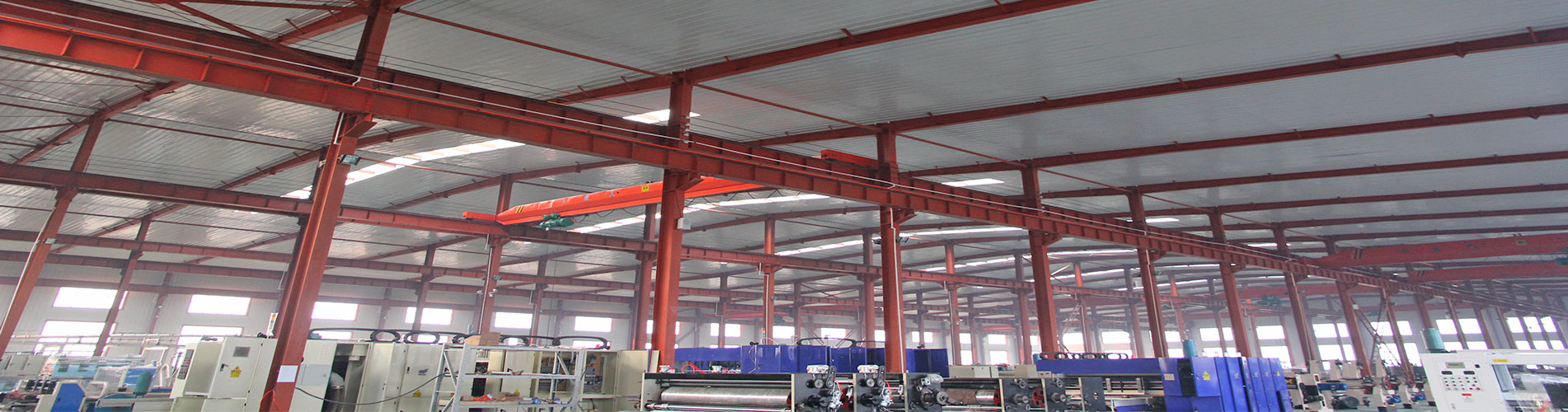

What is the function of ventilators in a steel structure warehouse?
If you operate, manage, or are planning a steel structure warehouse, understanding the role of ventilation isn’t just a technical detail—it’s essential for safety, durability, and efficiency.
While steel buildings are strong, cost-effective, and quick to erect, they come with unique environmental challenges. That’s where ventilators come in. But what exactly do they do, and why are they so important?
1. Prevent Condensation and Moisture Damage
Primary function: Control humidity and temperature differentials.
In a steel building, warm, moist air inside can condense on cool interior surfaces—especially roofs and walls—leading to:
Steel corrosion – Rust weakens structural integrity over time.
Mold and mildew – Harmful to both stored goods and indoor air quality.
Water damage – Dripping condensation can ruin inventory, packaging, and equipment.
Ventilators constantly replace moist indoor air with drier outside air, minimizing the conditions that cause condensation.
2. Improve Indoor Air Quality
Function: Remove contaminants, fumes, and stale air.
Warehouses often house:
Vehicles or machinery that emit exhaust fumes
Chemicals, paints, solvents, or adhesives that release VOCs (volatile organic compounds)
Dust from materials, packaging, or production processes
Proper ventilation exhausts polluted air and brings in fresh air, protecting worker health and meeting occupational safety standards.
3. Reduce Heat Buildup
Function: Assist in temperature regulation.
Steel buildings can get extremely hot under the sun. Without airflow, heat accumulates near the ceiling, creating:
Uncomfortable working conditions
Potential overheating of temperature-sensitive goods
Increased cooling costs if air conditioning is used
While ventilation alone may not “cool” the space like an AC unit, it prevents excessive heat stratification and helps remove hot air, making the environment more manageable.
4. Enhance Fire Safety
Function: Disperse flammable vapors and assist in smoke extraction.
In the event of a fire, ventilation can:
Help remove smoke, improving visibility for evacuation and firefighting
Reduce heat buildup, potentially slowing fire spread
In normal operation, prevent accumulation of combustible dust or vapors that could pose an explosion risk
5. Protect Stored Goods
Function: Maintain a stable storage environment.
Many products—electronics, paper, textiles, food items, pharmaceuticals, and metal parts—are sensitive to moisture, heat, or poor air quality. Consistent airflow helps preserve product integrity and prevent spoilage or corrosion.
6. Comply with Regulations
Function: Meet health, safety, and building code requirements.
Many jurisdictions mandate minimum ventilation rates for occupied industrial and storage spaces. Properly installed ventilators help ensure compliance with OSHA (Occupational Safety and Health Administration) guidelines and other local regulations.
Key Takeaway: Ventilation is Multifunctional
In a steel-structure warehouse, ventilators are not optional extras—they’re integral systems that perform multiple overlapping roles:
✅ Protect the structure from moisture-related damage
✅ Protect the contents from environmental harm
✅ Protect the people by ensuring safe, breathable air
✅ Increase energy efficiency by reducing the load on cooling systems
✅ Support regulatory compliance and risk mitigation
A well-designed ventilation system addresses all these functions simultaneously, extending the life of the building, preserving inventory, and creating a safer workplace.
Final Thought
If you’re planning a new steel warehouse or retrofitting an existing one, consult with us. Our team can help design a system tailored to your local climate, building size, ceiling height, and the specific materials you store—ensuring your ventilators perform all their essential functions, efficiently and reliably.
Категории
последний блог
Теги


Для .Запросы о наших продуктах или прерывании, пожалуйста, оставьте нам, и мы будем на связи в течение 24 Часы.
© авторское право: 2026 Hebei Baofeng Steel Structure CO.,LTD Все права защищены.

IPv6 сеть поддерживается


 +8615720226351