

 русский


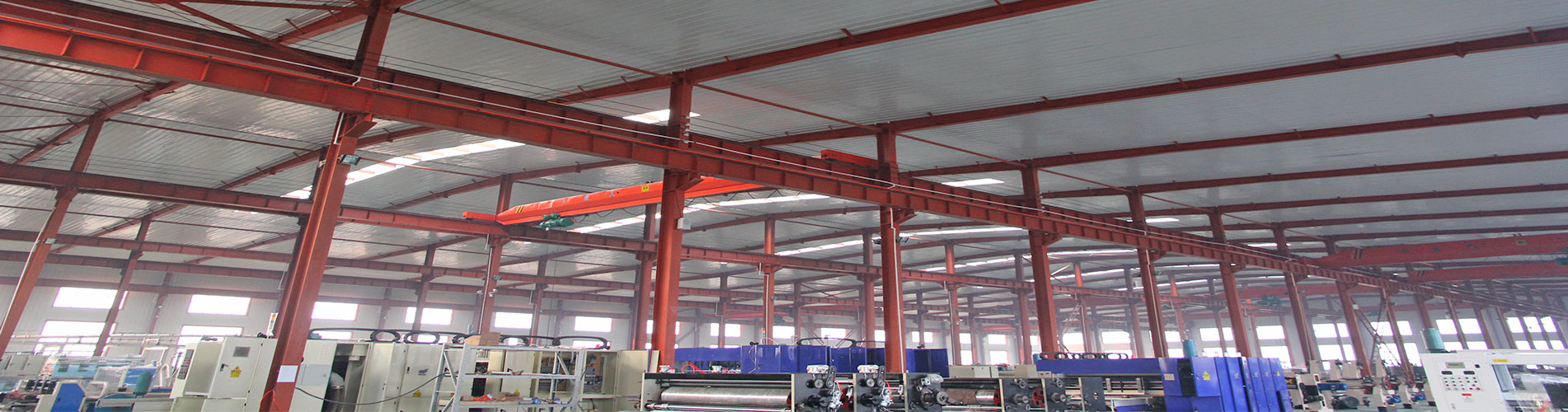

Key Design Considerations of the Steel Warehouse with Office
Designing a steel warehouse with an integrated office is a complex task that balances industrial functionality with human-centered workspaces. Here are the key design considerations, categorized for clarity.
1. Zoning and Spatial Planning
Separation of Functions:
Clearly demarcate the warehouse (noisy, high-traffic, potentially hazardous) from the office (quiet, clean, secure). This is crucial for safety, productivity, and comfort.
Office Placement:
Mezzanine Level: Efficient use of vertical space, provides a view over the warehouse floor, and naturally separates functions. Requires careful design for fire egress and accessibility.
Attached Office Block: A dedicated section attached to the main structure. Allows for independent HVAC, utilities, and exterior access. Often preferred for larger offices.
Front Office/Reception: A smaller office at the entrance for reception, security, and client meetings, with the main office block elsewhere.
Circulation Flow:
Design separate, safe, and logical pathways for people (office staff, visitors), goods (forklifts, trucks), and vehicles. Avoid cross-traffic between forklifts and pedestrian entrances.
2. Structural and Building Envelope
Primary Material:
Pre-engineered metal buildings (PEMBs) are the standard for their cost-effectiveness, clear-span capabilities, and speed of construction.
Clear Span vs. Columns:
Maximize clear span in the warehouse area for flexible storage layouts. Office areas can tolerate internal columns.
Insulation and Cladding:
Critical for energy efficiency and occupant comfort. Use insulated wall and roof panels. Consider:
Thermal Performance: Prevent condensation ("sweating") in the warehouse and maintain office temperatures.
Acoustic Insulation: Especially in the office walls/ceiling to dampen warehouse noise.
Fire Rating: Required for the wall separating the office from the warehouse (often a 1- or 2-hour fire-rated partition).
Roof and Wall Systems:
Choose durable, low-maintenance cladding. Incorporate strategically placed skylights or translucent panels in the warehouse for natural light, reducing energy costs.
3. Health, Safety, and Regulatory Compliance
Building Codes:
Adhere strictly to local codes for occupancy, egress, structural loads, wind/snow, and seismic requirements.
Fire Protection:
Compartmentalization: Fire-rated walls and self-closing doors between warehouse and office.
Sprinkler Systems: Often mandatory. Design must account for different storage types (racked, bulk) and the office occupancy.
Accessibility (e.g., ADA in the US):
The office and all common areas (including bathrooms, break rooms) must be fully accessible. This includes ramps, door widths, and restroom design.
Ventilation & Hazardous Materials:
Warehouse areas may require dedicated exhaust ventilation for fumes, dust, or chemicals. Office needs fresh air supply per code.
4. Services and Utilities
HVAC Systems:
Two completely separate systems are typical.
Office: Requires a dedicated, comfort-based system (split units, VRF, or small rooftop units).
Warehouse: May only need spot heating, ventilation, and destratification fans for worker comfort in specific areas.
Electrical:
Separate distribution panels. Warehouse needs high-bay LED lighting (motion sensors for efficiency) and ample floor outlets. Office needs standard commercial-grade power, data, and lighting.
Plumbing:
Consolidate wet areas (restrooms, break room) back-to-back or stacked to minimize pipe runs. Consider floor drains in the warehouse for cleaning.
IT/Communications:
Plan for robust data cabling, WiFi access points, and security system wiring (cameras, access control) throughout.
5. Interior Design and Occupant Comfort
Noise Control: This is paramount. Use:
Mass: Heavy, insulated walls/ceilings around the office.
Absorption: Acoustic ceiling tiles and wall panels in the office.
Sealing: Gaskets on all doors and seals around penetrations.
Lighting:
Contrast bright, functional warehouse lighting with comfortable, glare-free office lighting. Maximize natural light in the office.
Finishes:
Durable, cleanable finishes in the warehouse. In the office, use finishes that enhance acoustics and aesthetics for staff well-being.
Amenities:
Include dedicated spaces for staff: a break room, accessible restrooms, and possibly locker rooms.
6. Site and External Considerations
Access and Loading:
Adefficient truck maneuvering, loading dock doors (number and height), and secure yard space. Separate visitor/car parking from truck routes.
Drainage and Grading:
Proper site grading and stormwater management to direct water away from the building.
Expansion:
Consider future growth. Can the warehouse be extended? Can the office be easily expanded? Design the structure and site layout with this in mind.
Security:
Perimeter fencing, lighting, and gate systems. Design the office to have visibility of the main entry and yard if security is a concern.
7. Cost and Project Management
Budget Allocation:
Balance cost between the high-volume warehouse shell and the more detailed, service-intensive office fit-out.
Delivery Method:
Consider Design-Build for streamlined delivery, especially with PEMB suppliers who offer integrated packages.
Long-Term Costs:
Invest in quality insulation, roofing, and energy-efficient systems to reduce operational expenses (utilities, maintenance) over the building's life.
Предыдущий :
Why choose steel structure for farm shed?Следующий :
Steel Structure Warehouse Load Designing for StrengthКатегории
последний блог
Теги


Для .Запросы о наших продуктах или прерывании, пожалуйста, оставьте нам, и мы будем на связи в течение 24 Часы.
© авторское право: 2026 Hebei Baofeng Steel Structure CO.,LTD Все права защищены.

IPv6 сеть поддерживается


 +8615720226351