

 русский


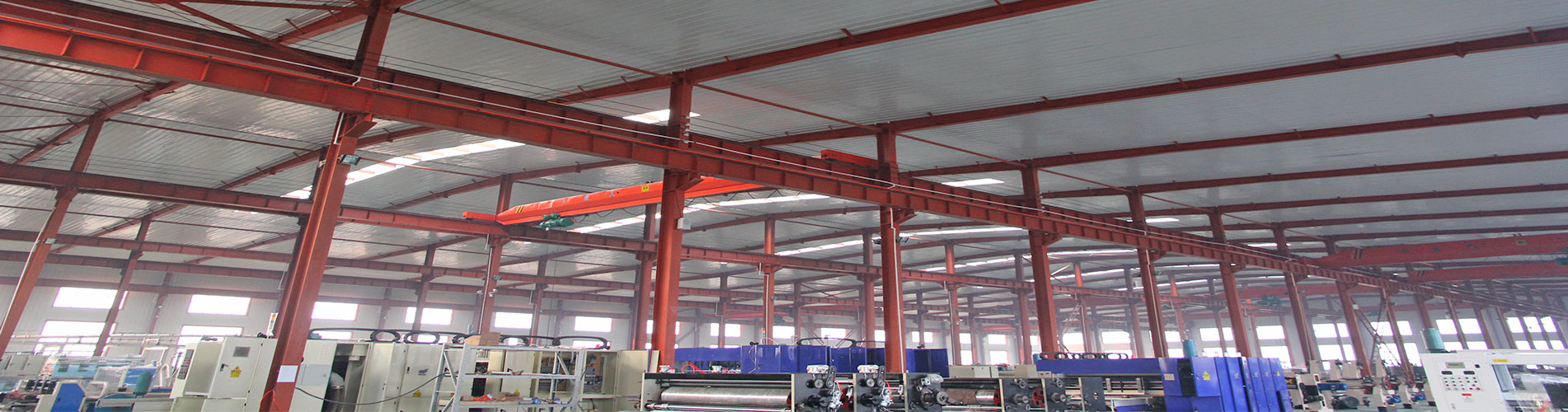

How to extend the service life of steel structure buildings?
Extending the service life of a steel structure building, potentially to 100 years or more, is a systematic process involving design, construction, maintenance, and management. The key enemies of steel are corrosion, fatigue, fire, and poor detailing/connection design.
Here is a comprehensive guide, broken down by phase:
1. Design & Specification Phase (The Most Critical)
This phase sets the foundation for longevity.
Corrosion Protection Specification: Choose the right system for the environment. Options include:
Hot-Dip Galvanizing: Excellent long-term protection for exposed members.
High-Performance Coatings: Multi-coat systems (epoxy primer, epoxy/polyurethane intermediate, polyurethane/silicone topcoat) for aggressive environments.
Duplex Systems: Galvanizing + paint coating for maximum protection (50+ years).
Weathering Steel ("Corten"): Specify only where a stable, rust-patina is intended and the local atmosphere allows it. Not suitable for highly corrosive (coastal, industrial) environments or constantly wet/damp locations.
Design for Drainage & Ventilation:
Avoid Moisture Traps: Design details that shed water, not collect it. Use sealed hollow sections or provide drainage holes.
Ensure Ventilation: Prevent condensation inside buildings and enclosed sections.
Design for Inspectability and Maintenance:
Provide permanent safe access (ladders, walkways) for critical connections and areas prone to corrosion.
Avoid creating enclosed, inaccessible spaces where hidden corrosion can occur.
Fire Protection: Integrate appropriate fire protection (intumescent coatings, boards, sprays) into the design to preserve structural strength during a fire, allowing for repair and reuse.
Fatigue-Resistant Detailing: For structures subject to dynamic loads (cranes, bridges, vibrating machinery), use fatigue-resistant connection details to prevent crack initiation.
2. Fabrication & Construction Phase
Quality here ensures the design's intent is realized.
Surface Preparation: Before any coating, steel must be cleaned to the specified standard. This is arguably the most important factor in coating longevity.
Quality Control of Coatings: Ensure specified dry film thickness (DFT) is achieved and measured. Prevent damage during handling and transport.
Protection During Erection: Use padded slings, avoid impact damage. Touch up any damage to coatings immediately using the correct procedure (spot cleaning, priming, topcoating).
Good Detailing in the Field: Ensure sealants are properly applied at joints, flashings are correctly installed, and fasteners are of the correct, compatible type (e.g., stainless steel or galvanized for connections).
3. Operation & Maintenance Phase (The Lifelong Commitment)
This is where service life is truly extended. Implement a Structured Inspection and Maintenance Program.
Regular Inspections:
Routine (Annual): Visual checks for obvious damage, coating breakdown, leaks, or debris buildup.
Detailed (Every 3-5 years): Close-up inspection of critical areas: connections, baseplates, areas exposed to water splash, and any previously damaged zones.
Special Inspections: After extreme events (earthquakes, severe storms, fires, or accidental impacts).
Preventive Maintenance:
Keep it Clean: Remove dirt, vegetation, and debris that can retain moisture.
Ensure Proper Drainage: Keep gutters, scuppers, and downspouts clear. Regrade surrounding soil to direct water away from the base.
Prompt Repair: Address minor coating damage immediately. A simple scratch can be the nucleation point for rust undercutting. The repair process is: 1) Remove all rust, 2) Clean/feather edges, 3) Apply primer, 4) Apply intermediate/top coat to match.
Control the Environment: In industrial settings, improve ventilation to reduce corrosive fumes; maintain climate control to minimize condensation.
Corrosion Monitoring: In critical or highly corrosive environments, use techniques like ultrasonic thickness testing to monitor metal loss or sensors to measure corrosion rates.
4. Management & Monitoring
Maintain a "Life Cycle File": Keep all design documents, coating specifications, inspection reports, and maintenance records. This history is invaluable.
Use Technology: Employ drones with high-resolution cameras for inspecting difficult-to-reach areas. Consider BIM (Building Information Modeling) to track the building's health and maintenance history.
Don't Ignore Changes: If the building's use changes (e.g., introducing a chemical process), reassess the corrosion and load environment. Unauthorized modifications (e.g., cutting beams for new pipes) can severely compromise the structure.
Critical Areas to Watch (Common Failure Points)
Baseplates & Column Ends: In contact with concrete or moisture from the ground.
Connections (Bolted/Welded): Stress concentrations and crevices.
Roof Purlins & Sheeting: Condensation underside and fastener points.
Areas Subject to Frequent Wet/Dry Cycles: Such as near drains or leaks.
Interfaces with Other Materials: Where steel meets masonry, concrete, or dissimilar metals (risk of galvanic corrosion).
Summary: The formula for longevity is:
Robust Design + Quality Construction + (Proactive Maintenance + Prompt Repair) x Diligent Management
By viewing the steel structure as a living asset that requires care, its service life can be extended far beyond its nominal design life, providing excellent long-term value and sustainability.
Предыдущий :
Stair Of Steel Structure BuildingsСледующий :
Why Steel Structure Building Need Wall Bracing?Категории
последний блог
Теги


Для .Запросы о наших продуктах или прерывании, пожалуйста, оставьте нам, и мы будем на связи в течение 24 Часы.
© авторское право: 2026 Hebei Baofeng Steel Structure CO.,LTD Все права защищены.

IPv6 сеть поддерживается


 +8615720226351