

 русский


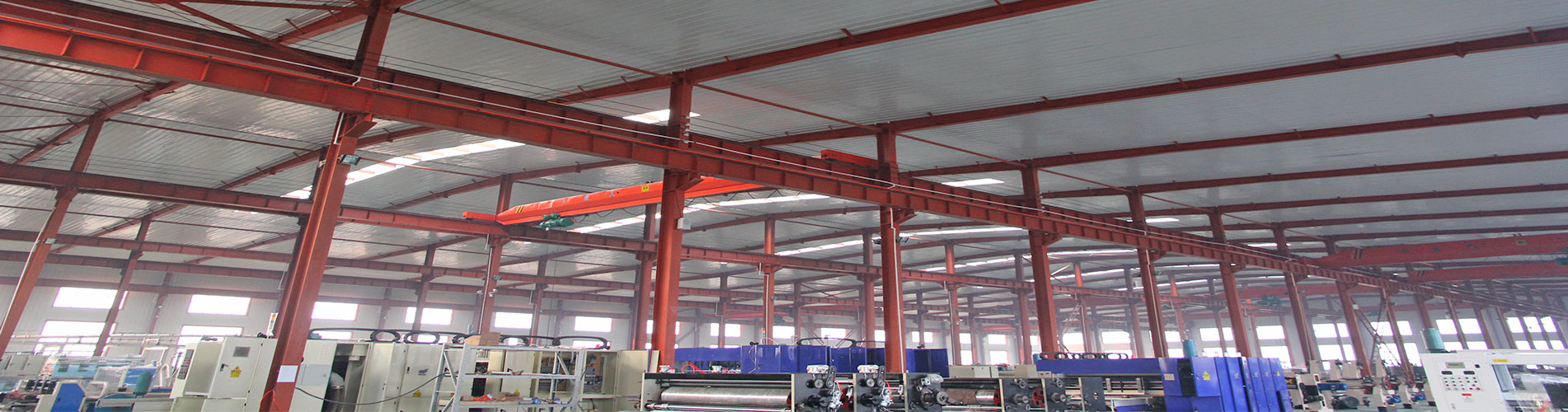

Are steel structure warehouses suitable for building in typhoon-prone locations?
Yes, steel structure warehouses are indeed suitable for construction in typhoon-prone locations, as they offer several advantages in resisting extreme weather conditions. However, certain design and engineering considerations are essential to ensure safety and durability. Here’s a breakdown:
Advantages of Steel Structures in Typhoon Zones
1.High Strength and Ductility
Steel has high tensile strength and can flex under strong wind loads without sudden failure, which is crucial for withstanding typhoon-force winds.
2.Lightweight yet Durable
Steel structures are relatively lighter than concrete, reducing foundation loads, but they can be designed to be robust and resilient.
3.Design Flexibility
Steel allows for aerodynamic shapes and optimized designs that can reduce wind pressure and uplift forces.
4.Prefabrication Quality
Factory-controlled manufacturing ensures precise, high-quality connections and components, which enhances overall structural integrity.
Key Design Considerations for Typhoon Resistance
1.Wind Load Calculations:
The design must follow local building codes for wind speeds (e.g., using typhoon wind maps) and consider factors like gust effects, exposure category, and wind directionality.
2.Aerodynamic Shape:
Sloped roofs, rounded corners, and streamlined profiles help minimize wind resistance and uplift.
3.Robust Connections:
All bolts, welds, and base plates must be designed to resist high shear and tension forces. Moment-resisting frames or braced systems are often used.
4.Cladding and Roofing:
Secure attachment of metal cladding and roofing is critical to prevent peeling or tearing. Screws with neoprene washers, adequate fastener spacing, and reinforced edges are typical measures.
5.Foundations:
Suitably designed foundations (e.g., deep piles or reinforced spread footings) should counteract overturning and sliding forces.
6.Secondary Elements:
Doors, windows, and vents need to be rated for high wind pressures and potential impact from debris.
7.Drainage:
Effective rainwater drainage systems are necessary to handle intense typhoon rainfall and prevent water accumulation on the roof.
Potential Concerns and Mitigations
Corrosion: In coastal typhoon zones, salt spray can accelerate corrosion. Use galvanized steel, protective coatings, or stainless steel for critical parts.
Fatigue: Repeated typhoon loading may cause fatigue in details; ensure proper detailing and inspection.
Debris Impact: Consider impact-resistant cladding or protective measures if debris risk is high.
Conclusion
With proper engineering that accounts for local wind and seismic codes, environmental conditions, and quality construction, steel warehouses can be a safe, economical, and durable choice in typhoon-prone regions. It is vital to engage experienced structural engineers and contractors familiar with typhoon-resistant design.
Категории
последний блог
Теги


Для .Запросы о наших продуктах или прерывании, пожалуйста, оставьте нам, и мы будем на связи в течение 24 Часы.
© авторское право: 2026 Hebei Baofeng Steel Structure CO.,LTD Все права защищены.

IPv6 сеть поддерживается


 +8615720226351